The HeMoVal study: a prospective international multicenter cohort study investigating haemoglobin metabolites in cerebrospinal fluid and secondary brain injury after aneurysmal subarachnoid haemorrhage
HeMoVal is a multicentre research initiative originally designed to investigate longitudinal cerebrospinal fluid haemoglobin after aneurysmal subarachnoid haemorrhage, and to evaluate its association with secondary brain injury and clinical outcome.
Prospective design
Observational cohort with preregistered endpoints.
Longitudinal CSF sampling
Daily cerebrospinal fluid sampling across the early high-risk period.
Multicenter validation
Designed to assess robustness across independent centres.
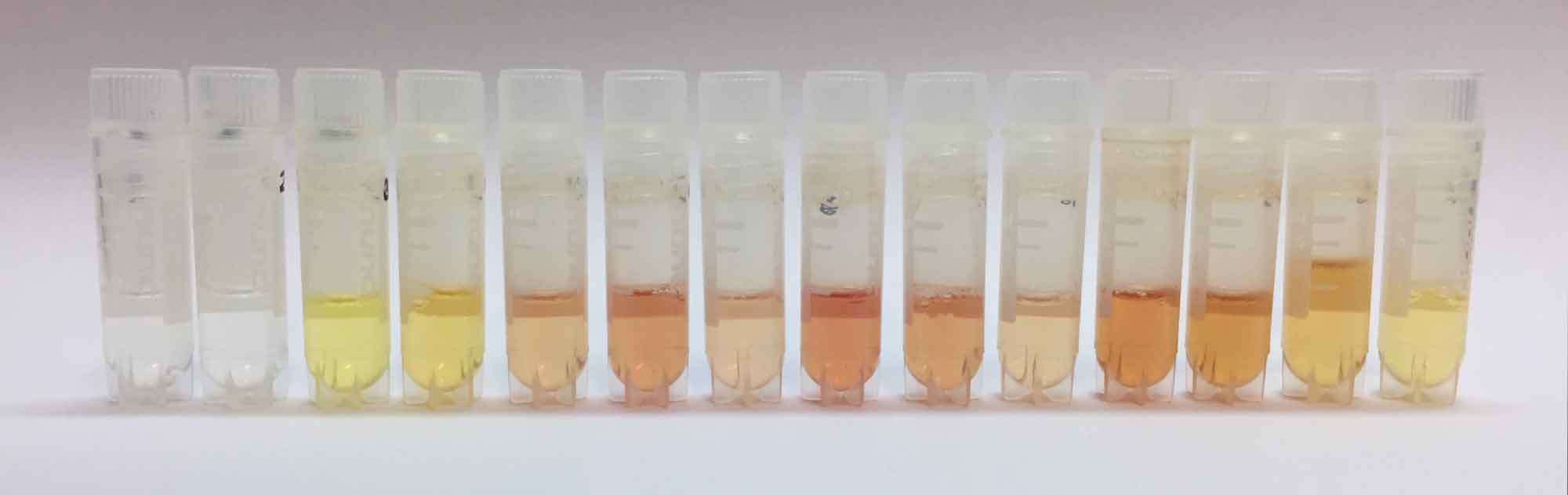
Research focus
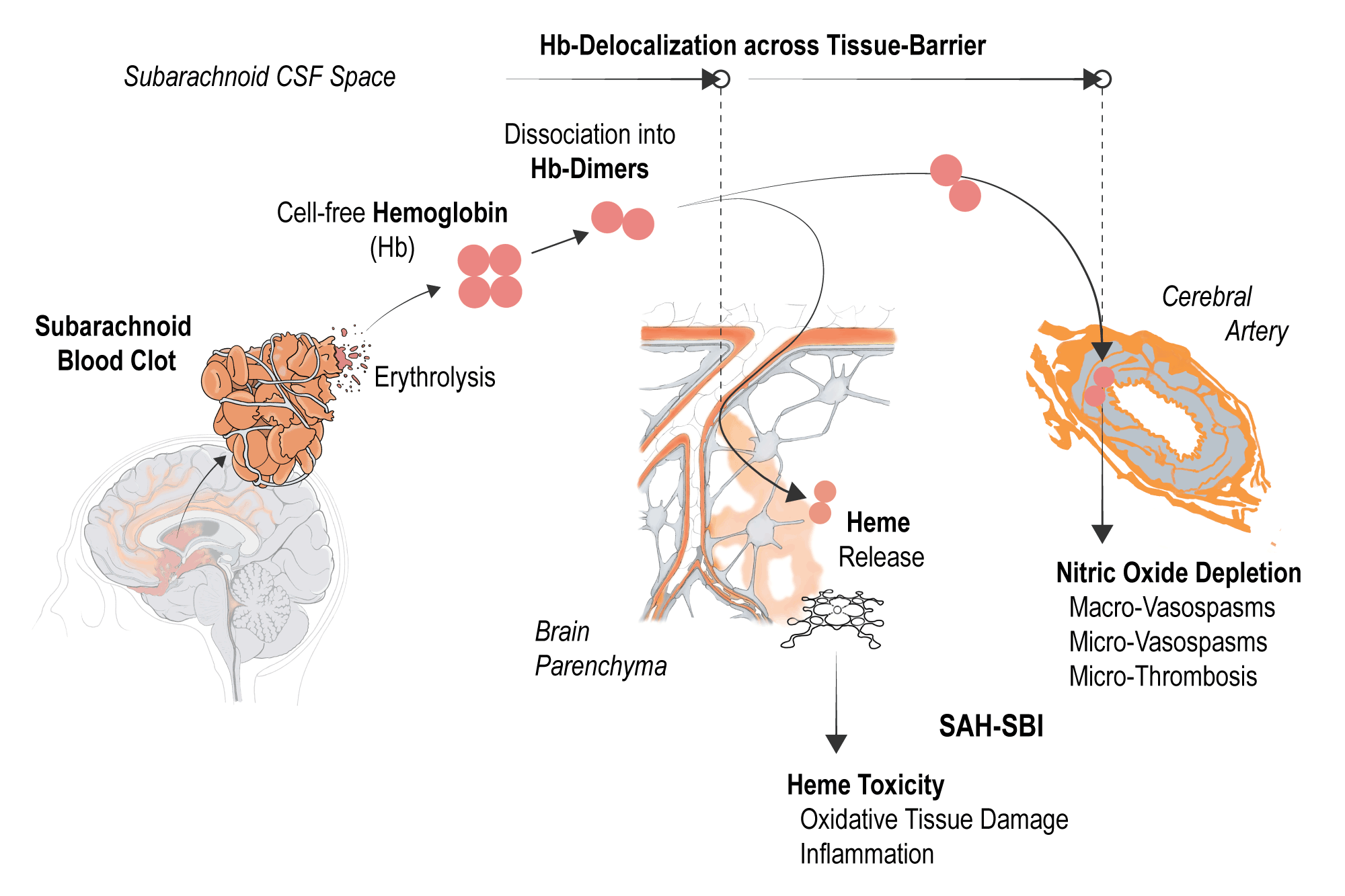
Following aneurysmal subarachnoid haemorrhage, haemoglobin released into the cerebrospinal fluid undergoes dynamic biochemical transformation over time. Substantial preclinical evidence supports cerebrospinal fluid haemoglobin as a key mediator in the development of secondary brain injury, through mechanisms including oxidative stress, nitric oxide scavenging, and downstream microvascular dysfunction. HeMoVal examines these haemoglobin-related processes using longitudinal biomarker measurements aligned with clinically defined secondary brain injury.
- Longitudinal profiling of CSF haemoglobin species and oxidative conversion products
- Temporal alignment of biomarker trajectories with daily clinical assessment of secondary brain injury
- Multicentre validation to strengthen reproducibility beyond single-centre signal discovery
Key resources
- Study protocol: https://doi.org/10.1186/s12883-022-02789-w
- Manuscript (main study): https://doi.org/10.1136/jnnp-2026-338810
Contributors
Loaded from a machine-readable CSV.